What Flowers Are Appropriate for a Funeral? A Guide for Sending the Right Arrangement
Choosing flowers after someone has passed is never simple. Most people are not thinking about petals, colors, or arrangement styles when they start searching for funeral flowers in Philadelphia. In those moments, even a basic decision can feel heavier than expected.
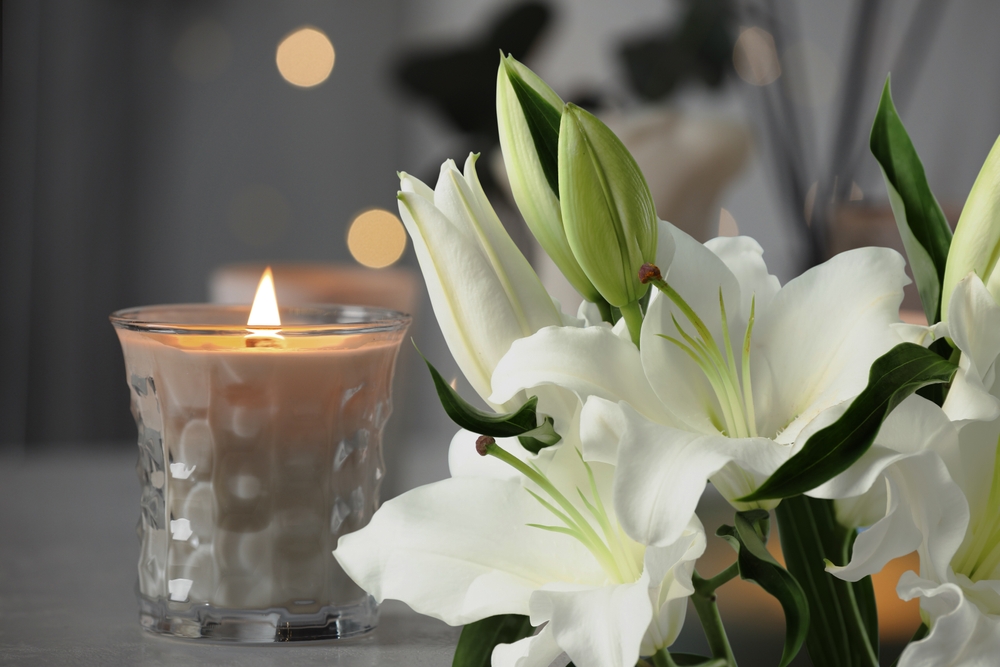
Choosing flowers after someone has passed is never simple. Most people are not thinking about petals, colors, or arrangement styles when they start searching for funeral flowers in Philadelphia. They are thinking about a family they care about, a service that may be only a day away, and how to send something that feels respectful without getting it wrong. In those moments, even a basic decision can feel heavier than expected.
Flowers have always carried meaning at funerals because they say what people often cannot put into words. A standing spray at the front of a service, a basket sent quietly to a home, or a vase arrangement delivered to a church all send slightly different messages. White lilies may suggest peace. Roses can express love, gratitude, or remembrance depending on the color. Carnations are often chosen because they last well through services and viewings, which matters more than people realize when timing is tight.
For anyone ordering funeral flowers in Philadelphia, the right choice usually depends on where the flowers are going, how close you were to the person who died, and what kind of arrangement fits the moment. Some families expect formal tributes at the funeral home. Others appreciate something softer sent to the house a day or two later. There is no perfect formula, honestly, but there are choices that tend to feel more natural and appropriate when you understand what each flower traditionally represents.
Why Flowers Matter at a Funeral
Flowers have a quiet role at funerals, but it is an important one. Long before anyone started searching online for funeral flowers, flowers were already part of mourning traditions because they offered something simple and immediate: presence. A room can feel less stark when there is color near the casket, near the entrance, beside family seating. Even a small arrangement changes the atmosphere in a way words usually cannot.
They also help people participate when they do not know what else to do. Not everyone is comfortable speaking to grieving relatives. Not everyone can attend a service. Sending flowers becomes a way to show up anyway. A carefully chosen arrangement tells the family that someone is thinking of them, that the loss reached beyond the room they are standing in.
Certain flowers became common in funeral settings because they carry meanings people recognize, even if only loosely. White flowers often suggest peace or remembrance. Soft pinks can feel gentle and personal. Deeper reds may signal love, respect, or long connection. In many funeral homes across Philadelphia, those choices are still the most requested because they feel timeless rather than decorative. The flowers are not there to impress anyone. They are there to soften a difficult day.
Most Appropriate Flowers for a Funeral
Some flowers appear again and again in funeral arrangements because they hold up well during services, but also because people instinctively associate them with sympathy. When ordering funeral flowers in Philadelphia, most families and friends are usually choosing from a familiar group, even if they do not realize it at first.
Lilies
Lilies are probably the flower people picture first at a funeral, and there is a reason for that. Their shape is clean, the fragrance is noticeable without being overpowering, and white lilies especially have long been tied to peace and innocence. They work in standing sprays, casket pieces, and vase arrangements, which makes them one of the most flexible choices.
Roses
Roses are often chosen when the sender wants something a little more personal. White roses are common for funerals because they suggest reverence and quiet respect. Red roses usually come from close family or someone with a very personal connection. Pink roses are often used when the feeling is gratitude, admiration, or affection that feels softer. Sometimes florists mix several shades in one arrangement, which can make the tribute feel less formal and more human.
Carnations
Carnations remain one of the most dependable flowers in sympathy work because they last, they hold shape, and they blend well with nearly everything else. White carnations are often used to represent pure remembrance. Pink carnations are common in sympathy baskets and mixed arrangements sent to funeral homes or churches. They may not get as much attention as lilies, but they are in more funeral pieces than most people notice.
Chrysanthemums
In many cultures, chrysanthemums are closely linked with mourning and remembrance. They bring fullness to larger arrangements and are often used in wreaths and standing pieces. White mums are the most traditional, though soft yellow or pale lavender sometimes appear when families want something slightly warmer.
Gladiolus and Other Tall Flowers
Tall flowers such as gladiolus are often used when an arrangement needs height and structure. They are common in standing sprays because they create shape without making the design feel crowded. There is also something fitting about their upright form in a funeral setting. They suggest strength, dignity, and a certain steadiness, which is often what people hope to express even if they cannot quite say it aloud.
Choosing the Right Type of Funeral Arrangement
The flowers matter, but the style of arrangement matters just as much. Someone ordering funeral flowers is often not just deciding which blooms look right. They are also deciding where the flowers will go, who will see them, and what kind of message the arrangement sends without explanation.
Standing Sprays
Standing sprays are usually the most formal choice. These are displayed on easels and placed near the casket, near the altar, or at the front of the service. Because they are large and visible, they are often sent by immediate family members, close relatives, or a group sending flowers together. A spray tends to feel ceremonial, almost like part of the service itself.
Sympathy Baskets
Sympathy baskets are more flexible and often chosen by friends, coworkers, neighbors, or extended family. They are smaller than standing sprays, easier to place in a funeral home, and also appropriate for sending to a family’s home after the service. They do not demand attention, which is part of why they remain such a common choice.
Vase Arrangements
A vase arrangement works well when the sender wants something traditional but not overly formal. These can be delivered to a church, funeral home, cemetery gathering, or directly to the home of the family. Roses, lilies, carnations, and seasonal flowers all fit naturally here, and the arrangement often feels personal without being too intimate.
Wreaths and Crosses
Wreaths carry a very traditional meaning because the circular shape suggests continuity and remembrance. Floral crosses are often chosen when faith plays a central role in the service. In Philadelphia funeral settings, these are still common for family tributes, especially when services are held in churches or long-established funeral homes.
Who Should Send What?
A lot of people hesitate before ordering because they are unsure whether an arrangement will seem too large, too personal, or somehow misplaced. In reality, there is no strict rule, but there are patterns people usually follow when sending funeral flowers in the Philadelphia area.
Immediate family members often choose the most prominent arrangements. Casket sprays, standing sprays, wreaths, and larger tribute pieces usually come from spouses, children, siblings, or grandchildren. These arrangements are part of the visual setting of the service, so they tend to be larger and more formal.
Friends usually lean toward sympathy baskets, vase arrangements, or mixed floral pieces that can sit near the service entrance or be moved later to the family home. These arrangements still carry warmth, but they leave space for family tributes to remain central.
Coworkers, business groups, and acquaintances often send one shared arrangement rather than several separate ones. A single coordinated piece feels thoughtful and practical, especially when many people want to express support at once.
If there is uncertainty, sending flowers to the family’s home is often the safest choice. It arrives quietly, usually after the busiest part of the funeral has passed, and gives the family something comforting to look at when the house becomes quiet again, which is often when the loss feels sharpest.
Where Funeral Flowers Should Be Delivered
Delivery is one of the details people think about last, even though it can shape whether the gesture feels smooth or stressful. When ordering funeral flowers in Philadelphia, the first question is usually where the flowers are meant to arrive. A funeral home is the most common destination, especially when the arrangement is part of the service itself. Standing sprays, wreaths, and larger formal pieces are almost always sent there because staff can place them before visitors begin arriving.
Church deliveries are also common, particularly when the service and viewing happen in different locations. Timing matters more than people expect. Flowers need to arrive early enough to be placed properly, but not so early that they sit unattended for hours. That is one reason local florists often make a difference in funeral work. They already know how these schedules usually move, even when times shift a little at the last minute.
Sending flowers to the family’s home changes the tone completely. A sympathy basket or vase arrangement delivered after the funeral often feels more personal. It is less public, less formal, and in some cases more comforting because it stays with the family after everyone else has gone home. For many people, that is the moment when flowers become something they notice more.
Local Guidance for Sending Funeral Flowers in Philadelphia
Funeral services move quickly, and local knowledge matters more than people realize. A florist handling funeral flowers in the Philly area needs to understand neighborhood timing, funeral home expectations, and how traffic alone can affect delivery windows. A service in Northeast Philadelphia does not run the same way as one in Abington or Jenkintown, even if they are only a short drive apart.
Families often need same day delivery because decisions happen late. A relative calls, service details are confirmed, and suddenly there are only a few hours left to send something appropriate. That is where a nearby florist becomes valuable. There is less room for delay, less chance of confusion, and usually better communication if something changes.
It also helps when the florist knows the difference between what works in a traditional viewing room and what works better for a smaller church service or private memorial. Some arrangements need height. Others need softness. Sometimes a family specifically requests quiet colors because bright flowers feel wrong to them, even if those flowers are beautiful on their own.
Common Questions People Ask Before Ordering Funeral Flowers
Are roses appropriate for funerals?
Yes, very often. White roses are one of the most requested choices because they feel respectful and timeless. Red roses are usually reserved for close relationships, though families sometimes request them in tribute pieces when love needs to be stated plainly.
Should flowers be sent before or after the service?
If flowers are meant for the funeral home or church, they should arrive before the service begins. If they are being sent to the family’s home, there is more flexibility. Some people send them a day later, which can actually feel more thoughtful because support continues after the service is over.
Can sympathy flowers be sent to the family’s home?
Absolutely. In some situations, it is even preferred. A home delivery feels quieter and often gives the family something lasting to keep nearby during the days after the funeral, when visitors have mostly stopped coming.
Conclusion
There is no perfect flower for grief, which is part of why choosing can feel difficult. Most people simply want to send something that feels respectful and sincere, whether that means lilies, roses, carnations, or a mixed arrangement chosen with care. The right choice usually comes down to the relationship, the setting, and what feels natural in that moment.
When people search for funeral flowers in Philadelphia, they are rarely looking for something elaborate. They are looking for something that helps them show up, even if they cannot find the right words. In the end, that is what funeral flowers have always done. They stand quietly in the room and say enough.